
In the realm of audio technology, the pursuit of high - fidelity audio has always been a driving force. High - fidelity audio, often referred to as "hi - fi," aims to reproduce sound in a way that is as close to the original as possible, capturing every nuance and detail of the audio source. As a supplier of the 4030 Analog Silicon Microphone, I am frequently asked whether this particular microphone is suitable for high - fidelity audio applications. In this blog post, I will delve into the characteristics of the 4030 Analog Silicon Microphone and evaluate its potential for high - fidelity audio.
Understanding High - Fidelity Audio Requirements
Before assessing the suitability of the 4030 Analog Silicon Microphone, it is essential to understand what high - fidelity audio entails. High - fidelity audio systems typically require microphones with several key characteristics. Firstly, a wide frequency response is crucial. A microphone should be able to capture a broad range of frequencies, from the deep bass tones to the high - pitched trebles, without significant distortion. The human ear can generally perceive frequencies between 20 Hz and 20,000 Hz, so a microphone for high - fidelity applications should ideally cover this entire range with flat frequency response.
Secondly, low self - noise is a must. Self - noise refers to the inherent noise produced by the microphone itself. In high - fidelity audio, any unwanted noise can degrade the quality of the captured sound. A microphone with low self - noise ensures that the audio signal is clean and free from background hiss or other artifacts.
Thirdly, high sensitivity is desirable. Sensitivity measures how well a microphone can convert sound pressure into an electrical signal. A more sensitive microphone can pick up faint sounds more effectively, which is important for capturing the full dynamic range of an audio source.
Features of the 4030 Analog Silicon Microphone
The 4030 Analog Silicon Microphone is designed with several features that make it a strong candidate for high - fidelity audio applications.
Frequency Response
The 4030 Analog Silicon Microphone offers a relatively wide frequency response. It can accurately capture frequencies within a range that is well - suited for most high - fidelity audio needs. The microphone is engineered to provide a flat frequency response across the audible spectrum, which means that it can reproduce different frequencies with equal accuracy. This characteristic is vital for maintaining the integrity of the audio signal and ensuring that the reproduced sound is faithful to the original source.
Low Self - Noise
One of the significant advantages of the 4030 Analog Silicon Microphone is its low self - noise level. Through advanced semiconductor manufacturing techniques and circuit design, the self - noise of the microphone has been minimized. This low self - noise feature allows the microphone to capture clean audio signals, even in quiet environments. When recording in a studio or other controlled settings, the low self - noise ensures that the audio is free from distractions and background noise, which is essential for high - fidelity audio.
Sensitivity
The 4030 Analog Silicon Microphone also boasts high sensitivity. It can effectively convert sound pressure into an electrical signal, enabling it to pick up both soft and loud sounds accurately. This high sensitivity is beneficial for capturing the full dynamic range of an audio source, whether it is a delicate acoustic instrument or a powerful vocal performance.
Comparison with Other Microphones
To further evaluate the suitability of the 4030 Analog Silicon Microphone for high - fidelity audio applications, it is useful to compare it with other microphones on the market. For example, the 4737 Analog Silicon Microphone is another popular option. While the 4737 also has its own set of advantages, the 4030 offers a unique combination of features that make it a strong competitor in the high - fidelity audio space.
The 4030 has a more balanced frequency response compared to some other microphones. This means that it can provide a more natural - sounding audio reproduction, which is highly valued in high - fidelity applications. In terms of self - noise, the 4030's low self - noise level gives it an edge over microphones that produce more inherent noise. Additionally, its high sensitivity allows it to capture audio with greater detail and accuracy.
Real - World Applications
The 4030 Analog Silicon Microphone has found its way into a variety of real - world high - fidelity audio applications.
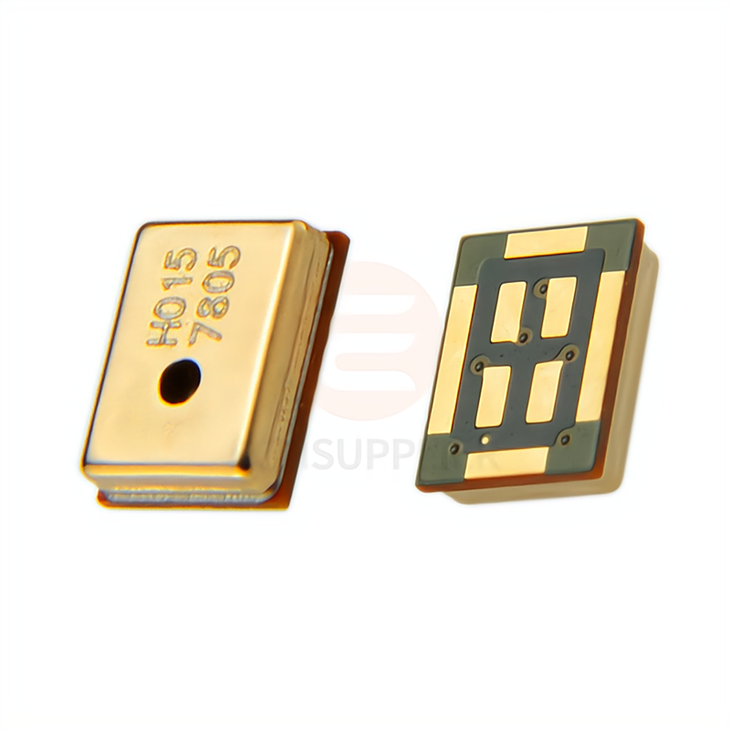
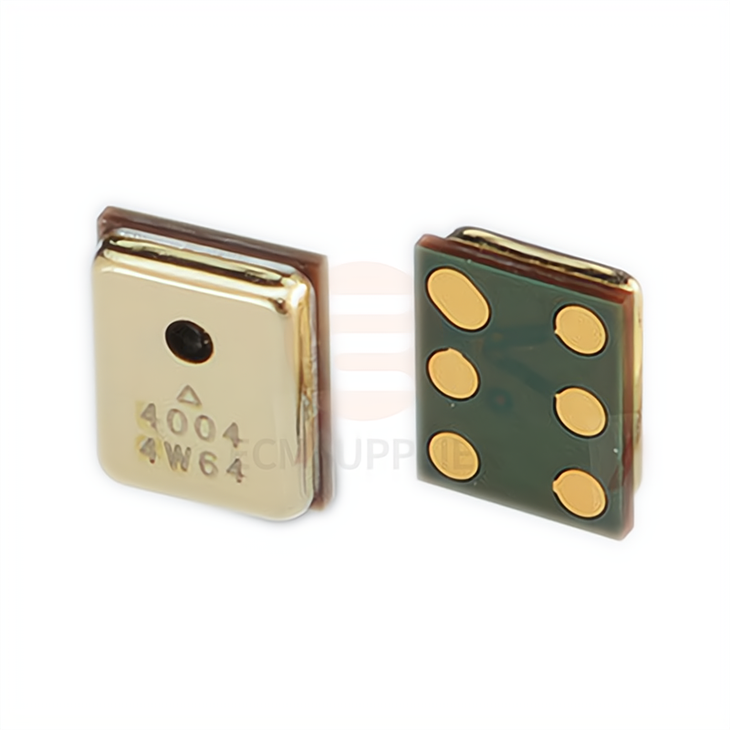
Studio Recording
In professional recording studios, the 4030 can be used to record vocals, musical instruments, and other audio sources. Its wide frequency response and low self - noise make it suitable for capturing the rich and detailed sound of acoustic guitars, pianos, and human voices. The high sensitivity ensures that every subtle nuance of the performance is captured, allowing for high - quality audio production.
Audio Conferencing
In audio conferencing systems, high - fidelity audio is essential for clear communication. The 4030 Analog Silicon Microphone can pick up voices accurately and reproduce them with minimal distortion. Its low self - noise feature ensures that the participants' voices are heard clearly, without any distracting background noise.
Smart Home Devices
As smart home devices become more prevalent, the demand for high - quality audio capture is increasing. The 4030 can be integrated into smart speakers, voice assistants, and other smart home devices. Its ability to capture high - fidelity audio allows these devices to accurately recognize voice commands and provide a better user experience.
Limitations and Considerations
While the 4030 Analog Silicon Microphone has many features that make it suitable for high - fidelity audio applications, there are also some limitations and considerations.
Environmental Factors
The performance of the 4030 can be affected by environmental factors such as temperature and humidity. Extreme temperatures or high humidity levels can potentially impact the microphone's frequency response and sensitivity. Therefore, in applications where the microphone is exposed to harsh environmental conditions, additional measures may need to be taken to ensure optimal performance.
Cost
In some cases, the cost of the 4030 Analog Silicon Microphone may be a consideration. High - quality microphones with features suitable for high - fidelity audio often come at a higher price point. However, when considering the long - term benefits of high - quality audio capture, the investment in the 4030 can be justified, especially for professional applications.
Conclusion
In conclusion, the 4030 Analog Silicon Microphone is indeed suitable for high - fidelity audio applications. Its wide frequency response, low self - noise, and high sensitivity make it a strong candidate for capturing high - quality audio in a variety of settings. Whether it is used in studio recording, audio conferencing, or smart home devices, the 4030 can deliver the performance needed for high - fidelity audio reproduction.
If you are interested in exploring the potential of the 4030 Analog Silicon Microphone for your high - fidelity audio applications, I encourage you to contact us for more information and to discuss your specific requirements. We are committed to providing high - quality products and excellent customer service, and we look forward to working with you to meet your audio needs.
References
- Microphone Technology Handbook, 2nd Edition
- Audio Engineering Society Journal, various issues on microphone performance and high - fidelity audio