
In the era of rapid technological advancement, digital technology has permeated every corner of our lives, and the audio field is no exception. Digital microphones have gained significant popularity in recent years due to their high - precision, low - noise, and easy - integration features. This has led many to wonder: Are analog microphones still used? As an analog microphone supplier, I am well - positioned to share insights on this topic.
The Golden Age of Analog Microphones
Analog microphones have a long and glorious history. They were the mainstay of the audio industry for decades. In the early days of radio broadcasting, recording studios, and live performances, analog microphones were the only option available. The principle behind analog microphones is relatively straightforward. They convert sound waves into electrical signals that vary continuously in amplitude and frequency, mirroring the original sound.
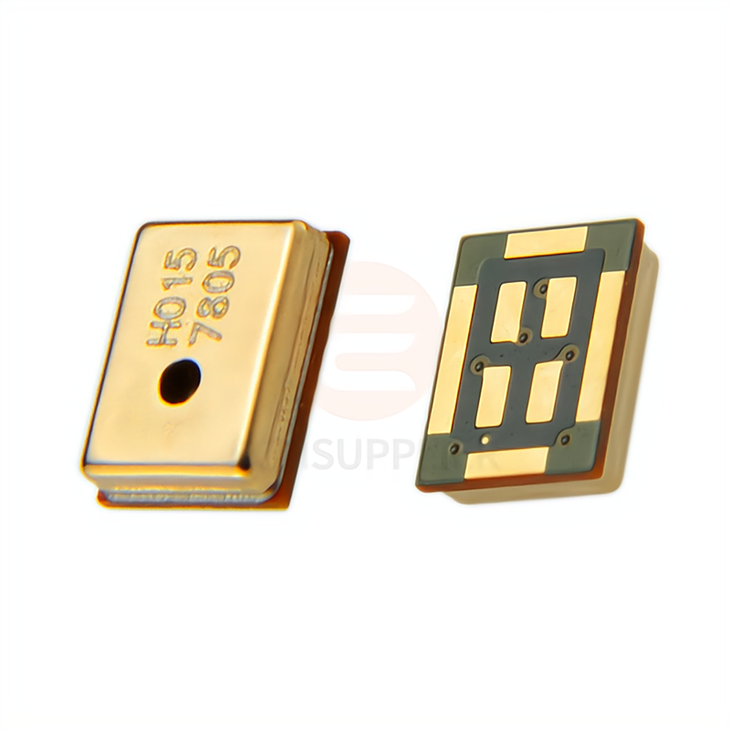
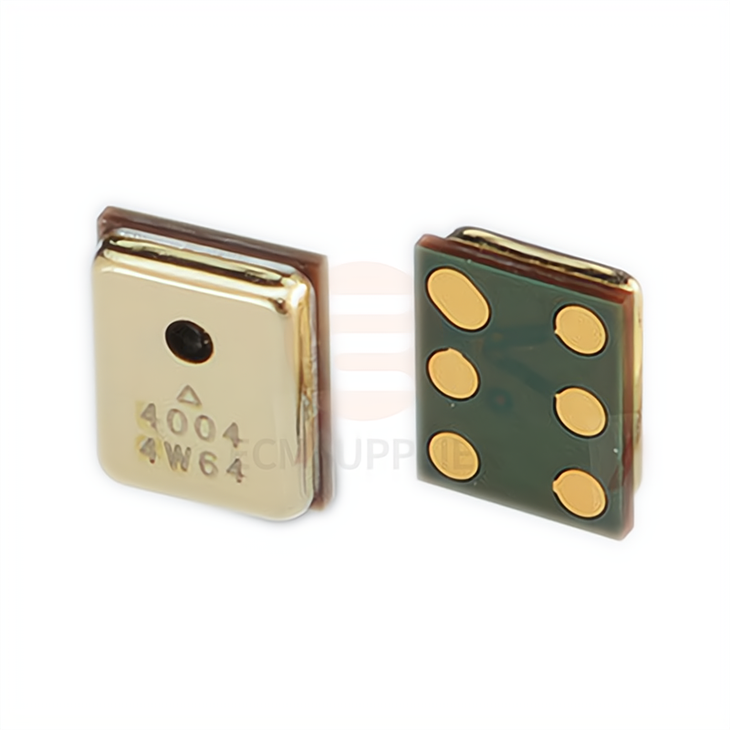
One of the most iconic types of analog microphones is the dynamic microphone. Dynamic microphones are robust and can handle high sound pressure levels. They are often used in live concerts for vocal and instrument amplification. For example, in a large - scale rock concert, the lead singer's voice is typically captured by a dynamic analog microphone. These microphones can withstand the high - energy sound environment without distortion, providing a warm and natural sound that has been beloved by musicians and sound engineers for years.
Another well - known type is the condenser microphone. Condenser microphones are more sensitive than dynamic microphones and can capture a wider frequency range. They are commonly used in recording studios for vocals, acoustic instruments, and sound effects. The ability of condenser microphones to reproduce fine details in sound makes them a favorite for high - quality audio recording.
The Rise of Digital Microphones
The digital revolution has brought about a new generation of microphones. Digital microphones convert sound waves into digital signals, which are then processed and stored as binary data. These microphones offer several advantages over their analog counterparts.
Firstly, digital microphones are less susceptible to interference. In a complex electrical environment, analog signals can be easily affected by electromagnetic interference, resulting in noise in the audio output. Digital signals, on the other hand, are more resistant to such interference, ensuring a cleaner and more stable audio signal.
Secondly, digital microphones are highly compatible with modern audio systems. Since most audio equipment today, such as computers, smartphones, and digital audio workstations, operate on digital signals, digital microphones can be directly connected and integrated without the need for additional analog - to - digital conversion. This simplifies the audio recording and processing workflow.
Thirdly, digital microphones often come with built - in signal processing capabilities. They can perform functions like noise reduction, gain adjustment, and equalization at the microphone level, saving time and effort in post - production.
The Persistence of Analog Microphones
Despite the rise of digital microphones, analog microphones are still very much in use, and for good reasons.
Sound Quality
One of the primary reasons for the continued use of analog microphones is their unique sound quality. Many audio professionals believe that analog microphones produce a warmer, more organic sound compared to digital microphones. The continuous variation of analog signals can capture the nuances and subtleties of sound in a way that digital signals sometimes struggle to replicate. In high - end recording studios, where the pursuit of the purest and most natural sound is paramount, analog microphones are still the first choice for many. For example, when recording a classical orchestra, the rich and full - bodied sound captured by an analog condenser microphone can add a touch of authenticity and emotion to the recording.
Cost - Effectiveness
Analog microphones can be more cost - effective, especially for small - scale projects or budget - conscious users. Digital microphones, with their advanced technology and built - in signal processing, often come with a higher price tag. Analog microphones, on the other hand, offer a more affordable option without sacrificing too much in terms of basic functionality. For a local band recording their first album on a tight budget, an analog dynamic microphone can provide a decent sound quality at a fraction of the cost of a high - end digital microphone.
Simplicity
Analog microphones are relatively simple in design and operation. They do not require complex software or digital interfaces to function. This simplicity makes them easy to use for beginners or those who prefer a more straightforward audio setup. For example, in a small podcasting studio, an analog microphone can be quickly set up and connected to an audio mixer without the need for extensive technical knowledge.
Our Analog Microphone Offerings
As an analog microphone supplier, we offer a range of high - quality analog microphones to meet the diverse needs of our customers. Our 4030 Analog Silicon Microphone is a great choice for applications that require high sensitivity and a wide frequency range. It is suitable for use in recording studios, audio conferencing systems, and portable audio devices.
Another popular product in our lineup is the 4737 Analog Silicon Microphone. This microphone is known for its excellent noise - rejection capabilities and stable performance. It is often used in industrial applications, such as security monitoring systems and automotive audio systems.
The Future of Analog Microphones
The future of analog microphones is not bleak. While digital microphones will continue to dominate in some areas, analog microphones will still have their niche markets. The demand for high - quality, warm - sounding audio will always exist, especially in the music and entertainment industries. Additionally, as the trend of retro and vintage - style audio products grows, analog microphones are likely to experience a resurgence in popularity.
In the field of education, analog microphones can also play an important role. They can be used to teach students about the basic principles of audio recording and signal processing, as their operation is more intuitive and easier to understand compared to digital microphones.
Contact Us for Procurement
If you are in the market for high - quality analog microphones, we invite you to contact us for procurement. Our team of experts can provide you with detailed product information, technical support, and customized solutions to meet your specific requirements. Whether you are a professional audio engineer, a musician, or a business looking for reliable audio equipment, we have the right analog microphone for you.
References
- "Handbook of Audio Acoustics" by Rudolf M. Rabenstein
- "Microphone Technology: Principles and Applications" by Peter M. G. Brown
- Industry reports on the audio equipment market