
Hey everyone! Ever wondered if a 29mm dynamic microphone can be used for string instrument recording? Well, you're in the right place. As a 29mm dynamic microphone supplier, I've got a lot to share on this topic.
First off, let's talk about what makes a 29mm dynamic microphone unique. Dynamic mics are known for their durability and ability to handle high sound pressure levels. The 29mm size is a bit of a sweet spot. It's not too small that it can't capture a wide range of frequencies, and it's not so large that it becomes cumbersome to use.
When it comes to string instruments like violins, cellos, or guitars, the key is to capture the rich, warm tones and the subtle nuances of the playing. A good microphone should be able to pick up the attack of the strings, the sustain, and the resonance of the instrument's body.
One of the great things about a 29mm dynamic microphone is its frequency response. Most of these mics are designed to have a relatively flat frequency response in the mid - range, which is where a lot of the important tones of string instruments lie. This means that they can accurately reproduce the natural sound of the instrument without adding too much coloration.
For example, when recording a violin, the high - pitched notes can be quite sharp and bright. A 29mm dynamic mic can handle these high frequencies without distorting, while still capturing the warmth of the lower frequencies. The same goes for a cello, where the deep, rich tones need to be accurately reproduced.
Now, let's take a look at some of the technical aspects. The Dynamic Microphone Core is the heart of the microphone. It's what converts the sound waves into an electrical signal. A well - designed 29mm dynamic microphone core can ensure a clean and clear signal, which is essential for high - quality string instrument recording.
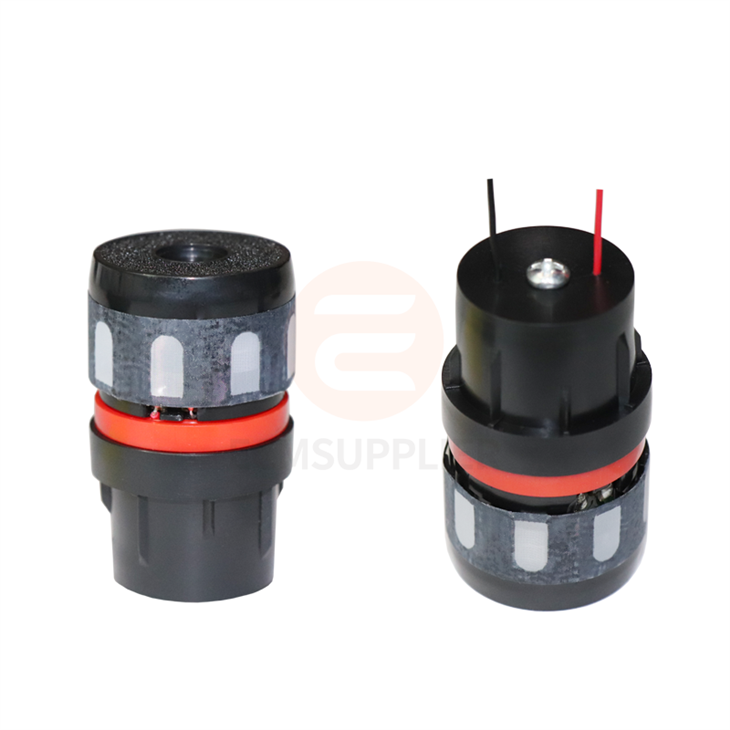

The 1508 Dynamic Microphone Capsules Pickup is another important component. These capsules are responsible for picking up the sound from the instrument. They are designed to be sensitive enough to capture the delicate nuances of string playing, while also being robust enough to handle the high sound pressure levels that can occur when a musician plays with a lot of force.
The 1910 Dynamic Microphone Capsules are also a popular choice. They offer a great balance between sensitivity and durability, making them suitable for a wide range of string instrument recording applications.
But it's not just about the technical specs. Placement of the microphone is also crucial. When recording a string instrument, you want to place the microphone at the right distance and angle. A good rule of thumb is to place the mic about 6 - 12 inches away from the instrument, depending on the size and volume of the instrument. For a violin, you might want to place the mic a bit closer, while for a double bass, you can place it a bit further away.
The angle of the microphone also matters. You generally want to point the mic towards the area of the instrument where the sound is the most concentrated. For example, when recording a guitar, you might want to point the mic towards the soundhole, as this is where a lot of the sound comes from.
Another factor to consider is the environment. String instruments are very sensitive to their surroundings. A noisy environment can introduce unwanted background noise into the recording. So, it's important to record in a quiet room or use sound - absorbing materials to reduce reflections and echoes.
Now, let's talk about some of the advantages of using a 29mm dynamic microphone for string instrument recording. One of the biggest advantages is its cost - effectiveness. Compared to some other types of microphones, like condenser mics, 29mm dynamic mics are generally more affordable. This makes them a great option for independent musicians or small recording studios on a budget.
They are also very easy to use. You don't need to worry about phantom power, which is required for condenser mics. This means that you can simply plug the mic into your audio interface or mixer and start recording.
In addition, 29mm dynamic mics are very reliable. They are less prone to damage from handling or environmental factors compared to some other types of mics. This makes them a great choice for musicians who are on the go or who need a microphone that can withstand a bit of rough treatment.
However, there are also some limitations. Dynamic mics are generally not as sensitive as condenser mics. This means that they might not pick up the very quietest nuances of string playing as well as a condenser mic. But for most applications, the difference is not significant enough to be a deal - breaker.
So, can a 29mm dynamic microphone be used for string instrument recording? The answer is a resounding yes! With the right placement, in the right environment, and with the right technical specifications, a 29mm dynamic microphone can produce excellent results when recording string instruments.
If you're a musician or a recording engineer looking for a reliable and cost - effective microphone for string instrument recording, I highly recommend considering a 29mm dynamic microphone. We, as a 29mm dynamic microphone supplier, have a wide range of options to suit your needs. Whether you're recording in a professional studio or in your home, our mics can help you capture the beautiful sound of string instruments.
If you're interested in learning more or want to discuss your specific requirements, feel free to reach out. We're always happy to help you find the perfect microphone for your project. Let's start a conversation and see how we can work together to achieve great recordings.
References:
- General knowledge of audio engineering and microphone technology
- Experience as a 29mm dynamic microphone supplier