
In recent years, virtual reality (VR) technology has witnessed remarkable growth, revolutionizing various industries such as gaming, education, healthcare, and entertainment. VR devices immerse users in a simulated environment, providing a multi - sensory experience. Among the crucial components that contribute to this immersive experience, audio plays a vital role. Sound can enhance the realism of the virtual world, create a sense of presence, and provide important cues for interaction. This raises an interesting question: Can SMD (Surface - Mount Device) microphones be used in virtual reality devices? As a supplier of SMD microphones, I am well - positioned to explore this topic in depth.
The Requirements of VR Devices for Microphones
Before delving into the suitability of SMD microphones for VR devices, it is essential to understand the specific requirements that VR devices place on microphones.
High - Quality Audio Capture
In a VR environment, accurate audio capture is crucial. The microphone needs to pick up a wide range of frequencies clearly, from low - frequency bass sounds to high - frequency trebles. This ensures that the user's voice, as well as ambient sounds in the virtual world, are reproduced faithfully. For example, in a VR gaming scenario, the sound of gunshots, footsteps, and voice commands all need to be captured with high fidelity to enhance the gaming experience.
Noise Reduction
VR devices are often used in various environments, some of which may be noisy. Microphones in VR devices need to have effective noise - reduction capabilities to filter out background noise and focus on the relevant audio signals. This is particularly important for voice communication in VR, where clear voice transmission is essential for effective interaction with other users in the virtual space.
Directional Sensitivity
Depending on the application, VR microphones may need to have specific directional sensitivity. For example, in a 3D audio environment, omnidirectional microphones can capture sounds from all directions, providing a more immersive audio experience. On the other hand, unidirectional microphones may be used when the focus is on capturing the user's voice while minimizing background noise from other directions.
Compact Size
VR devices are designed to be lightweight and comfortable for the user to wear for extended periods. Therefore, the microphones used in these devices need to be compact in size. Smaller microphones not only reduce the overall weight of the VR device but also allow for more flexible placement within the device's design.
Characteristics of SMD Microphones
SMD microphones have several characteristics that make them potential candidates for use in VR devices.
Compact Design
One of the most significant advantages of SMD microphones is their compact size. These microphones are designed to be surface - mounted on printed circuit boards (PCBs), which means they take up very little space. This makes them ideal for VR devices, where space is often limited. For example, in a VR headset, the SMD microphone can be easily integrated into the PCB without adding significant bulk to the device.
High - Performance Audio
Modern SMD microphones are capable of high - quality audio capture. They can cover a wide frequency range, typically from 20 Hz to 20 kHz, which is sufficient for most VR applications. Many SMD microphones also come with built - in analog - to - digital converters (ADCs), which can improve the audio quality by reducing signal loss and interference.
Cost - Effectiveness
SMD microphones are generally more cost - effective compared to other types of microphones. This is because they are mass - produced using advanced manufacturing techniques. For VR device manufacturers, using SMD microphones can help reduce production costs without sacrificing too much in terms of audio quality.
Easy Integration
Since SMD microphones are designed for surface - mount technology, they can be easily integrated into the manufacturing process of VR devices. This simplifies the production process and reduces the time and cost associated with microphone installation.
Applications of SMD Microphones in VR Devices
Voice Communication
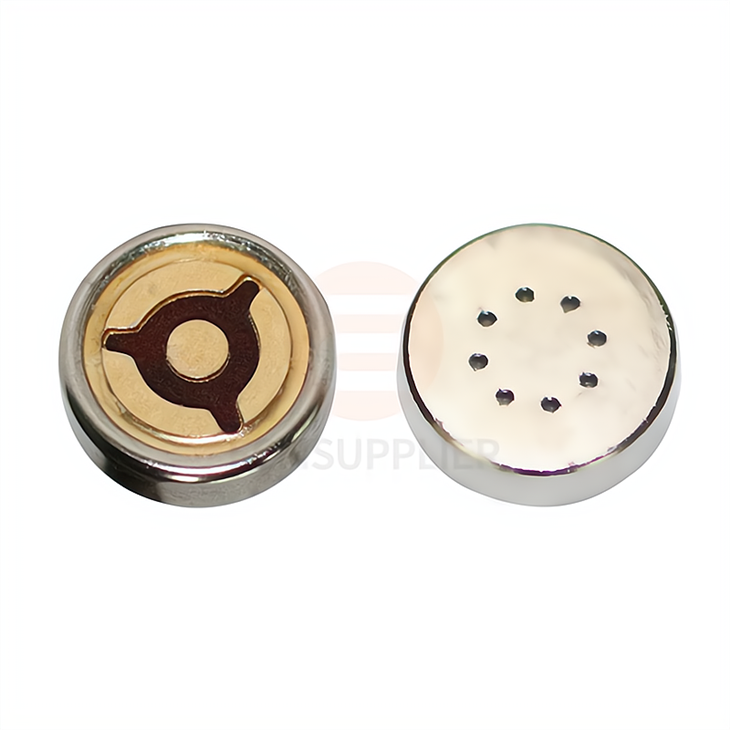
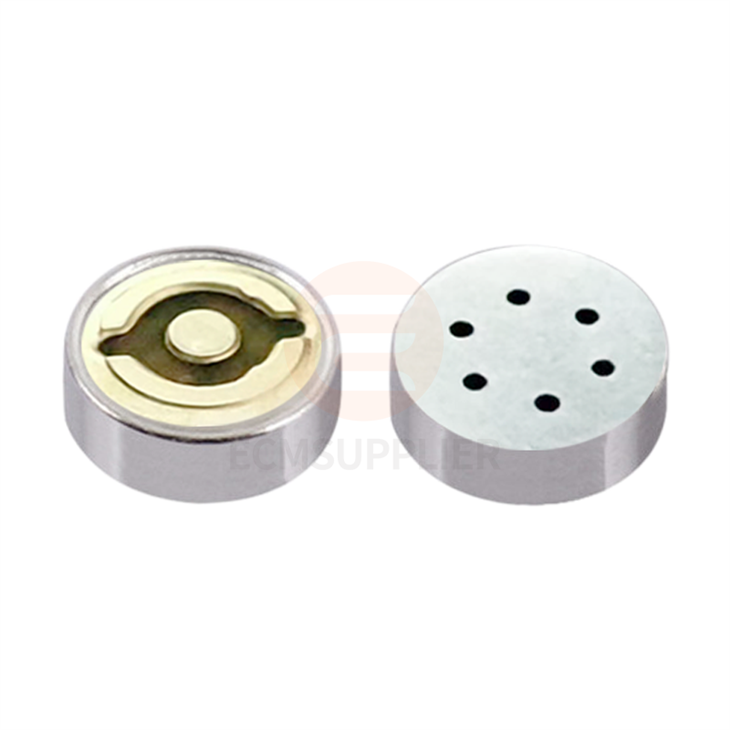
In VR social platforms and multiplayer games, voice communication is a key feature. SMD microphones can be used to capture the user's voice clearly. For example, our 4013 SMT Microphone Capsules are designed to provide high - quality voice capture. They have a good frequency response and can effectively reduce background noise, ensuring that the user's voice is transmitted clearly to other users in the virtual space.
Ambient Sound Capture
To create a more immersive VR experience, ambient sounds need to be captured accurately. Omnidirectional SMD microphones, such as our 4013 Patch Microphone Head All Directional Patch Mic, can capture sounds from all directions. This is useful in VR applications such as virtual tours, where the user can hear the sounds of the virtual environment, like the rustling of leaves or the sound of water flowing.
3D Audio Localization
In some VR applications, 3D audio localization is used to create a more realistic audio experience. SMD microphones can be used in combination with other audio processing techniques to achieve accurate 3D audio localization. For example, by using multiple SMD microphones placed at different positions on the VR device, the system can analyze the differences in sound arrival times and intensities to determine the direction of the sound source in the virtual world.
Challenges and Solutions
While SMD microphones have many advantages for VR applications, there are also some challenges that need to be addressed.
Limited Power Handling
Some SMD microphones may have limited power - handling capabilities. In high - volume audio scenarios, this can lead to distortion. To overcome this, manufacturers can choose SMD microphones with higher power - handling specifications or use audio amplifiers to boost the signal without causing distortion.
Environmental Sensitivity
SMD microphones can be sensitive to environmental factors such as temperature and humidity. These factors can affect the performance of the microphone over time. To mitigate this, VR device manufacturers can use protective coatings on the microphones or design the device to provide a more stable internal environment for the microphones.
Interference
In a VR device, there may be electromagnetic interference from other components such as the display, battery, and wireless communication modules. This can affect the performance of the SMD microphone. To reduce interference, proper shielding and grounding techniques can be used during the design and manufacturing process.
Conclusion
In conclusion, SMD microphones can indeed be used in virtual reality devices. Their compact size, high - quality audio capture capabilities, cost - effectiveness, and easy integration make them suitable for a variety of VR applications, including voice communication, ambient sound capture, and 3D audio localization. While there are some challenges associated with using SMD microphones in VR devices, these challenges can be overcome with appropriate design and engineering solutions.
As a supplier of SMD microphones, we offer a wide range of products, including the 4013 SMT Microphone Capsules, 4013 Patch Microphone Head All Directional Patch Mic, and 3013 Patch Microphone Core Omnidirectional, which are designed to meet the specific requirements of VR devices. If you are a VR device manufacturer or are interested in incorporating SMD microphones into your VR products, we invite you to contact us for further discussion and potential procurement. We are committed to providing high - quality SMD microphones and excellent technical support to help you create more immersive and engaging VR experiences.
References
- "Microphone Technology for Virtual Reality" - Journal of Audio Engineering Society
- "Advances in Surface - Mount Device Microphones" - IEEE Transactions on Audio, Speech, and Language Processing
- "Design Considerations for Audio Systems in Virtual Reality Devices" - Proceedings of the International Conference on Virtual Reality and Augmented Reality