
A dual directional microphone, also known as a bidirectional microphone, is a type of microphone that is most sensitive to sounds coming from two opposite directions. It has a figure - of - eight polar pattern, which means it picks up sound equally well from the front and the back while rejecting sounds from the sides. Understanding the frequency response of a dual directional microphone is crucial for various applications, such as live sound reinforcement, recording studios, and broadcast.
The Basics of Frequency Response
Frequency response refers to the range of frequencies that a microphone can accurately reproduce. It is typically measured in hertz (Hz) and is represented graphically as a curve. The human ear can generally hear frequencies from about 20 Hz to 20,000 Hz. A microphone's frequency response curve shows how it responds to different frequencies within this audible range.
For a dual directional microphone, a flat frequency response is often desirable in many applications. A flat frequency response means that the microphone reproduces all frequencies within its range with equal amplitude. This results in a natural and accurate sound reproduction. However, in some cases, a tailored frequency response may be preferred. For example, in vocals recording, a microphone with a boosted mid - frequency range can help the voice cut through the mix more effectively.
Factors Affecting the Frequency Response of Dual Directional Microphones
- Diaphragm Design: The diaphragm is the key component of a microphone that vibrates in response to sound waves. In a dual directional microphone, the size, shape, and material of the diaphragm can significantly affect its frequency response. A smaller diaphragm generally has a higher upper - frequency limit and can reproduce high - frequency sounds more accurately. On the other hand, a larger diaphragm may have better low - frequency response.
- Acoustic Design: The acoustic design of the microphone, including the placement of ports and the internal structure, also plays a role in determining the frequency response. The ports in a dual directional microphone are designed to allow sound waves to reach both sides of the diaphragm. The size and shape of these ports can affect how different frequencies interact with the diaphragm, thus influencing the frequency response.
- Electronics: The electronics inside the microphone, such as the pre - amplifier, can also impact the frequency response. A high - quality pre - amplifier can maintain a flat frequency response and minimize noise and distortion.
Frequency Response Curves of Popular Dual Directional Microphones
As a dual directional microphone supplier, we offer a range of high - quality products, each with its own unique frequency response characteristics.
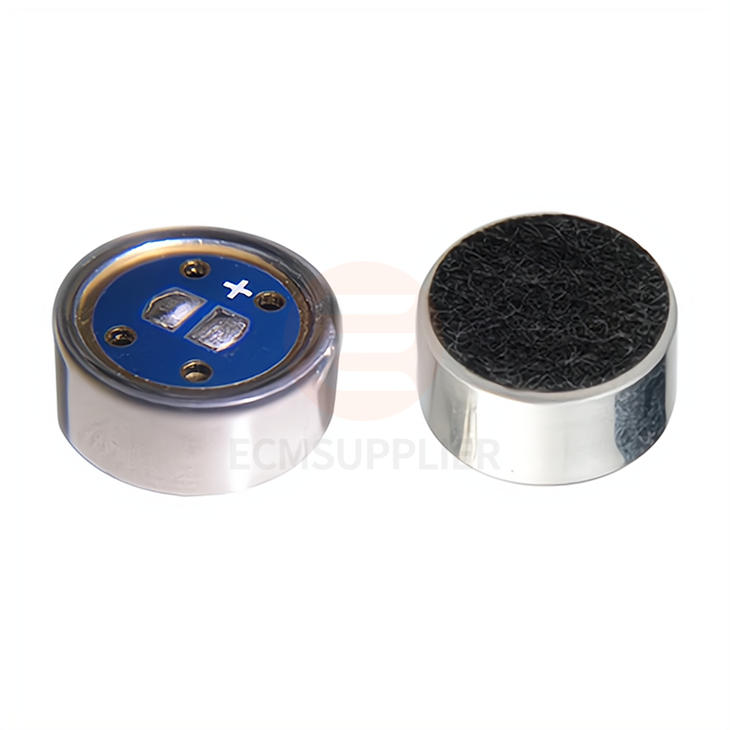
The 9750 Bidirectional Microphone Element has a frequency response that is well - balanced across the audible range. It provides a smooth and natural sound reproduction, making it suitable for a wide range of applications, including vocal and instrument recording. The frequency response curve shows a relatively flat response from 20 Hz to 20,000 Hz, with only minor variations that are within an acceptable range for most recording scenarios.
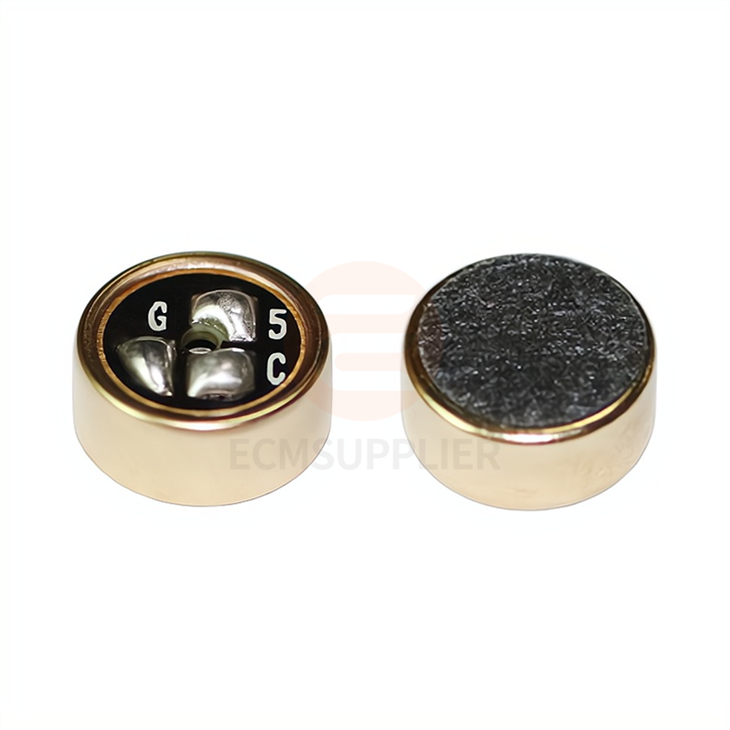
The 6026 Electret Microphone is another popular option. It has a frequency response that is slightly tailored for vocals. It has a boost in the mid - frequency range, which helps to enhance the clarity and presence of the voice. This makes it a great choice for live performances and podcasting, where the voice needs to stand out.
The 9750 Electret Condenser Microphone offers a wide and flat frequency response. It is capable of accurately reproducing both low - frequency and high - frequency sounds, making it suitable for recording a variety of instruments, such as guitars, pianos, and drums.
Applications and Frequency Response Requirements
- Live Sound: In live sound applications, such as concerts and public speaking events, a dual directional microphone with a flat frequency response is often preferred. This ensures that the sound reproduced on the speakers is as natural and accurate as possible. The microphone needs to be able to handle a wide range of frequencies, from the deep bass of the drums to the high - pitched vocals.
- Recording Studios: In recording studios, the frequency response requirements can vary depending on the type of recording. For vocals, a microphone with a tailored frequency response may be used to enhance the voice. For instrument recording, a microphone with a flat frequency response is often used to capture the true sound of the instrument.
- Broadcast: In broadcast applications, such as radio and television, a dual directional microphone with a consistent and accurate frequency response is essential. The microphone needs to reproduce the sound clearly and without distortion, so that the audience can have a good listening experience.
Importance of Understanding Frequency Response for Buyers
Buyers of dual directional microphones need to understand the frequency response to make an informed decision. By knowing the frequency response characteristics of different microphones, buyers can choose the one that best suits their specific needs. For example, if a buyer is primarily interested in recording vocals, they may want to choose a microphone with a boosted mid - frequency range. On the other hand, if they are recording a band, a microphone with a flat frequency response may be more appropriate.
Conclusion
In conclusion, the frequency response of a dual directional microphone is a critical factor that determines its performance and suitability for different applications. As a dual directional microphone supplier, we are committed to providing high - quality products with excellent frequency response characteristics. Our 9750 Bidirectional Microphone Element, 6026 Electret Microphone, and 9750 Electret Condenser Microphone are all designed to meet the diverse needs of our customers.
If you are interested in purchasing our dual directional microphones or have any questions about their frequency response, please feel free to contact us for further discussion and negotiation. We look forward to working with you to find the perfect microphone solution for your needs.
References
- "Microphone Technology: Principles and Applications" by John Backus
- "Audio Engineering Handbook" edited by Glen Ballou