
Hey there! As a supplier of 29mm dynamic microphones, I often get asked about the polar pattern of these little audio gems. So, let's dive right in and break it down.
First off, what the heck is a polar pattern? Well, in simple terms, it's a graphical representation of how a microphone picks up sound from different directions. It shows you where the mic is most sensitive and where it's not so great at capturing audio. Think of it like a map that tells you where the mic "likes" to listen.
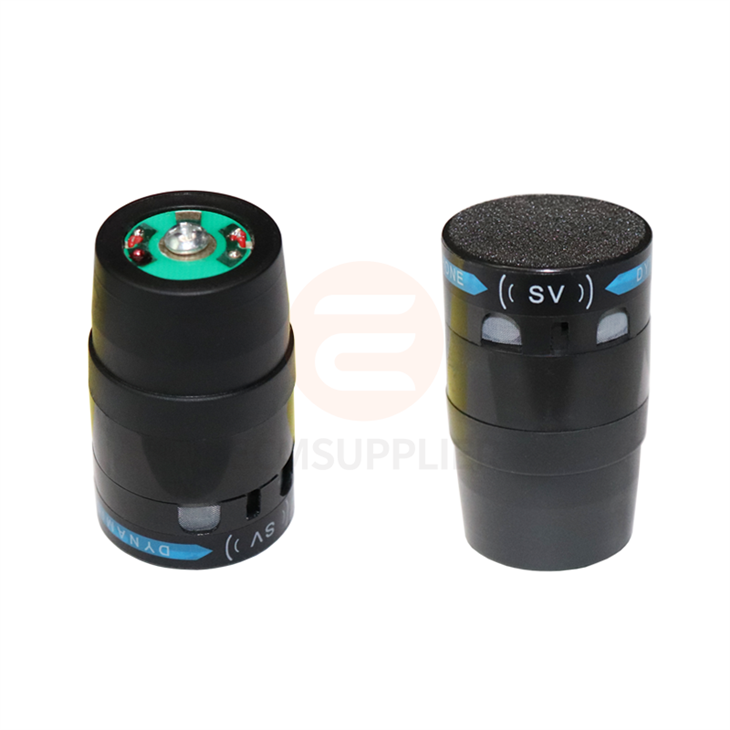
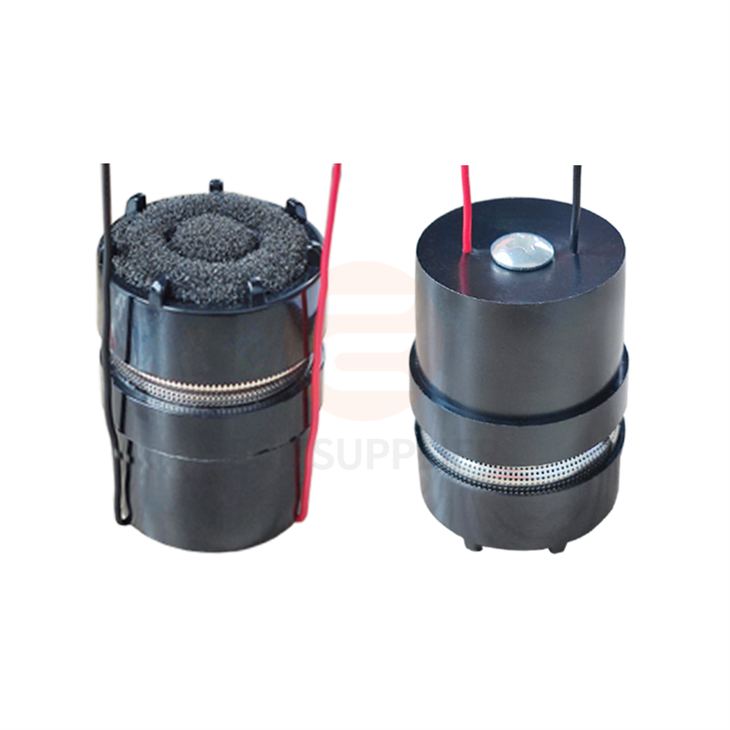
Now, let's talk about the 29mm dynamic microphone. These mics are pretty popular, especially in live sound setups and recording studios. They're known for their durability, reliability, and ability to handle high sound pressure levels. But what about their polar patterns?
Omnidirectional Polar Pattern
One of the most common polar patterns you'll find in 29mm dynamic microphones is the omnidirectional pattern. An omnidirectional mic picks up sound equally well from all directions. It's like having ears all around you. This is great in situations where you want to capture a natural, ambient sound. For example, if you're recording a choir or a small band playing in a room, an omnidirectional mic can give you a nice, full sound that includes all the instruments and voices.
The advantage of an omnidirectional 29mm dynamic microphone is that it's very forgiving. You don't have to worry too much about positioning it perfectly because it'll pick up sound from wherever it's coming from. However, it also means that it'll pick up background noise from all directions too. So, if you're in a noisy environment, you might want to consider a different polar pattern.
Cardioid Polar Pattern
Another popular polar pattern for 29mm dynamic microphones is the cardioid pattern. A cardioid mic is most sensitive to sound coming from the front and less sensitive to sound coming from the sides and back. The pattern looks like a heart (hence the name "cardioid"). This makes it ideal for situations where you want to focus on a single sound source, like a singer or a solo instrument.
The cardioid pattern helps to isolate the sound you're recording and reduce background noise. If you're using a 29mm dynamic cardioid mic on a stage, it'll pick up the singer's voice clearly while minimizing the sound of the crowd and other instruments around them. This is why cardioid mics are so commonly used in live performances.
Supercardioid and Hypercardioid Polar Patterns
There are also variations of the cardioid pattern, like the supercardioid and hypercardioid patterns. These patterns are even more focused on the front than the regular cardioid pattern. They have a narrower pickup angle in the front and are more resistant to sound coming from the sides and back.
A supercardioid or hypercardioid 29mm dynamic microphone is great for situations where you need to really isolate a sound source. For example, if you're recording a podcast in a room with some background noise, these mics can help you get a clean, clear recording. However, they do have a bit of a "lobing" effect, which means they can be more sensitive to sound coming from certain angles behind them.
Choosing the Right Polar Pattern
So, how do you choose the right polar pattern for your 29mm dynamic microphone? It really depends on what you're using the mic for. If you're recording in a quiet environment and want to capture a natural, ambient sound, an omnidirectional mic might be the way to go. If you're in a noisy environment or need to focus on a single sound source, a cardioid, supercardioid, or hypercardioid mic would be better.
At our company, we offer a range of 29mm dynamic microphones with different polar patterns to suit your needs. Whether you're a professional musician, a podcaster, or just someone who wants to record high-quality audio at home, we've got you covered.
If you're interested in learning more about our products, check out our High Quality Dynamic Microphone Core. This core is the heart of our 29mm dynamic microphones and provides excellent sound quality. We also have the 1508 Dynamic Microphone Capsules Pickup, which is a great option for those who want a reliable and high-performing microphone capsule. And if you're looking for a slightly larger option, our 30mm Dynamic Microphone Head is worth considering.
If you're thinking about making a purchase or have any questions about our 29mm dynamic microphones, don't hesitate to reach out. We're here to help you find the perfect microphone for your needs. Whether you're a small-time podcaster or a big-name recording studio, we can work with you to get the right equipment at the right price.
In conclusion, understanding the polar pattern of a 29mm dynamic microphone is crucial for getting the best sound quality. By choosing the right polar pattern for your specific situation, you can ensure that your recordings are clear, crisp, and professional. So, take the time to think about what you need and give us a shout if you need any advice.
References
- Microphone Basics: Understanding Polar Patterns. Sound on Sound.
- The Art of Microphone Selection. Pro Sound News.