
Yo, what's up! I'm a supplier of 4030 analog silicon microphones, and today I wanna chat about the cross - talk performance of these little beauties.
First off, let's talk about what cross - talk is. In the world of microphones, cross - talk is basically the unwanted signal leakage between different microphone channels. It's like when you're having a private conversation, but someone else can still kinda hear what you're saying. In a microphone setup, it can really mess up the audio quality, causing interference and making the sound less clear.
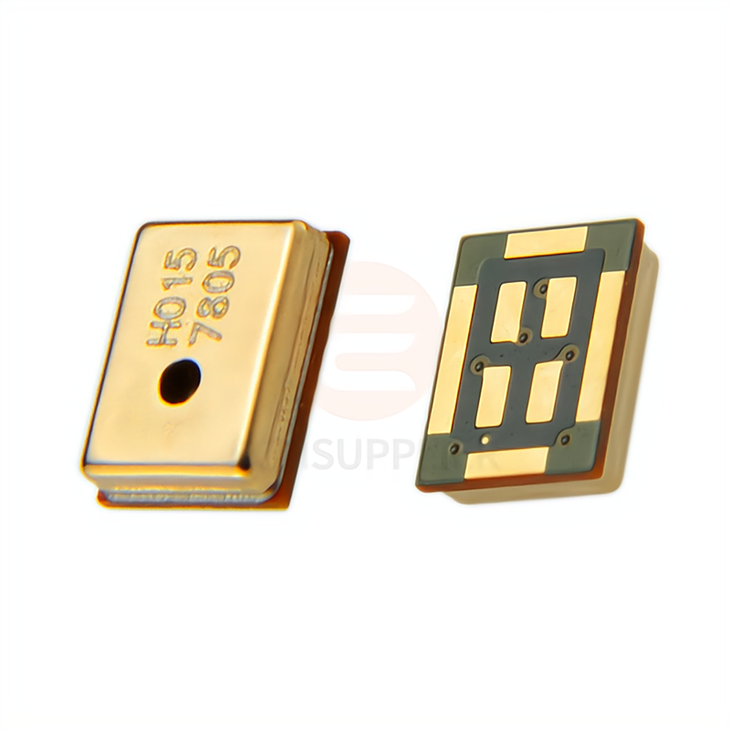
So, how does the 4030 analog silicon microphone stack up when it comes to cross - talk performance? Well, one of the key factors that affects cross - talk is the physical design of the microphone. The 4030 analog silicon microphone is engineered with a compact and efficient layout. Its internal structure is designed to minimize the electromagnetic coupling between different components, which is a major cause of cross - talk.
The materials used in the 4030 also play a crucial role. High - quality silicon materials are used in its construction. These materials have excellent electrical insulation properties, which helps to reduce the chances of signal leakage. Compared to some other microphones on the market, the 4030's silicon - based design gives it an edge in terms of cross - talk reduction.
Another aspect to consider is the shielding. The 4030 analog silicon microphone comes with a well - designed shielding mechanism. This shielding acts as a barrier, preventing external electromagnetic interference from affecting the microphone's performance and also reducing internal cross - talk. It's like having a protective bubble around the microphone, keeping it safe from all the unwanted noise and interference.
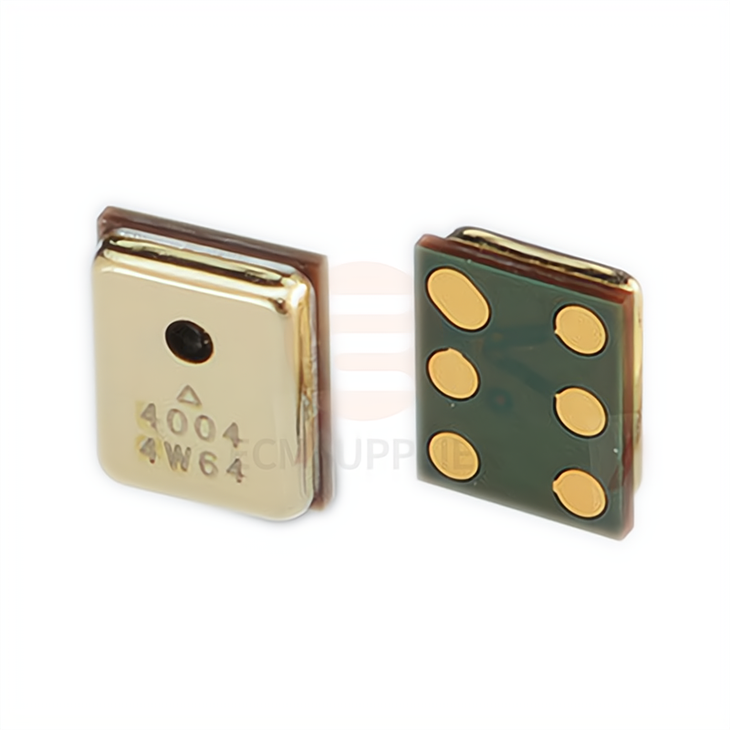
Let's compare it with the 4737 Analog Silicon Microphone. The 4737 is also a great microphone, but in terms of cross - talk performance, the 4030 has some unique advantages. The 4030's design focuses more on minimizing cross - talk in a compact form factor. It's ideal for applications where space is limited, such as in small audio devices or wearable tech. On the other hand, the 4737 might be better suited for larger setups where a different set of performance criteria are prioritized.
In real - world applications, the cross - talk performance of the 4030 analog silicon microphone really shines. For example, in a multi - microphone audio recording setup, like in a podcast studio or a live event recording, low cross - talk is essential. With the 4030, you can get clean and clear audio from each microphone channel, without the worry of one microphone picking up the signal from another.
The 4030 is also great for use in mobile devices. In smartphones or tablets, there are often multiple microphones working together for functions like noise cancellation and stereo recording. The low cross - talk of the 4030 ensures that these functions work smoothly, providing users with high - quality audio experiences.
When it comes to the technical specifications, the 4030 analog silicon microphone has a very low cross - talk ratio. This means that the amount of unwanted signal leakage between channels is extremely small. The exact figures can vary depending on the specific application and setup, but in general, it outperforms many of its competitors in this regard.
Now, you might be wondering how we test the cross - talk performance of the 4030. Well, we use a variety of advanced testing methods. We set up controlled environments where we can accurately measure the signal leakage between different microphone channels. We also test the microphone under different conditions, such as varying temperatures and electromagnetic fields, to ensure that it performs consistently.
One of the things I really love about the 4030 is its versatility. It can be used in a wide range of applications, from consumer electronics to industrial audio systems. And in all of these applications, its low cross - talk performance makes a significant difference.
If you're in the market for a high - quality analog silicon microphone with excellent cross - talk performance, then the 4030 Analog Silicon Microphone is definitely worth considering. Whether you're a small startup looking to develop a new audio product or a large corporation in need of reliable microphones for your devices, the 4030 can meet your needs.
If you're interested in learning more about the 4030 analog silicon microphone or want to discuss a potential purchase, feel free to reach out. We're always happy to have a chat and help you find the best solution for your audio requirements.
References
- Industry reports on analog silicon microphone performance
- Internal testing data of the 4030 and 4737 analog silicon microphones