
Hey there! As a supplier of SMD microphones, I've seen a lot of folks scratching their heads when it comes to picking the right one. It can be a real maze out there with so many options. But don't worry, I'm here to break it down for you and make this whole choosing process a piece of cake.
Understanding SMD Microphones
First off, let's quickly chat about what SMD microphones are. SMD stands for Surface Mount Device. These microphones are super handy because they can be directly mounted onto printed circuit boards (PCBs). They're used in all sorts of gadgets, from your smartphones and tablets to smartwatches and wireless earbuds. Their small size and easy installation make them a top choice for modern electronics.
Factors to Consider When Choosing an SMD Microphone
Sensitivity
Sensitivity is a big deal. It tells you how well the microphone can pick up sound. A more sensitive mic can capture soft sounds better. For example, if you're making a device that needs to record whispers or faint background noises, you'll want a microphone with high sensitivity. On the flip side, if the device will be used in a noisy environment, a lower sensitivity mic might be better to avoid picking up too much unwanted noise.
Frequency Response
Frequency response shows the range of frequencies that the microphone can handle. The human voice typically falls within 200 Hz to 8 kHz. So, if your device is mainly for voice recording or voice communication, you'll want a microphone with a good frequency response in this range. But if you're working on something like a music recording device, you'll need a wider frequency response to capture all the nuances of different instruments.
Directionality
There are different types of directionality in SMD microphones. Omnidirectional microphones can pick up sound from all directions. They're great for applications where you need to capture sound from every angle, like in a conference room or a 360 - degree audio recording. On the other hand, unidirectional microphones are more focused on picking up sound from one direction. They're useful for things like voice - activated devices where you want to minimize background noise.
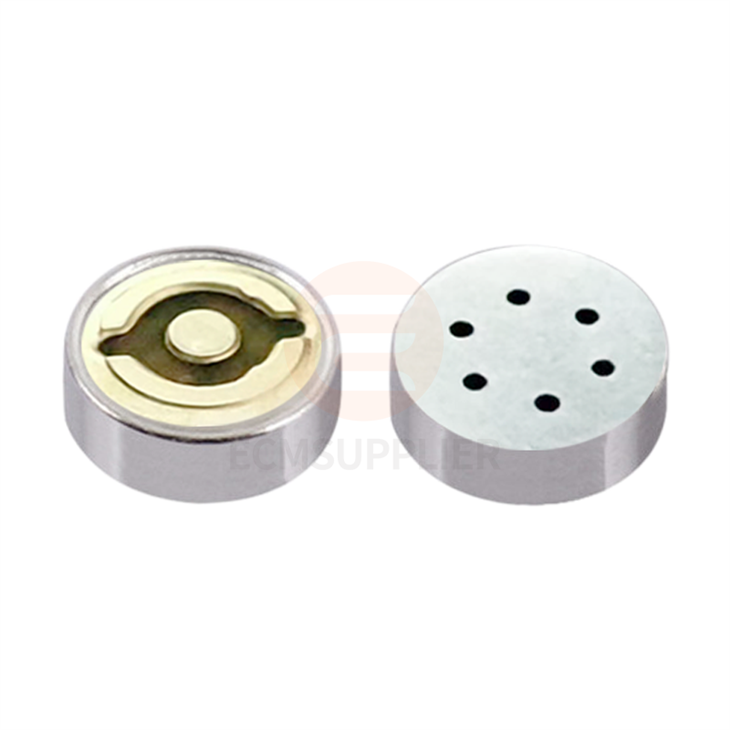
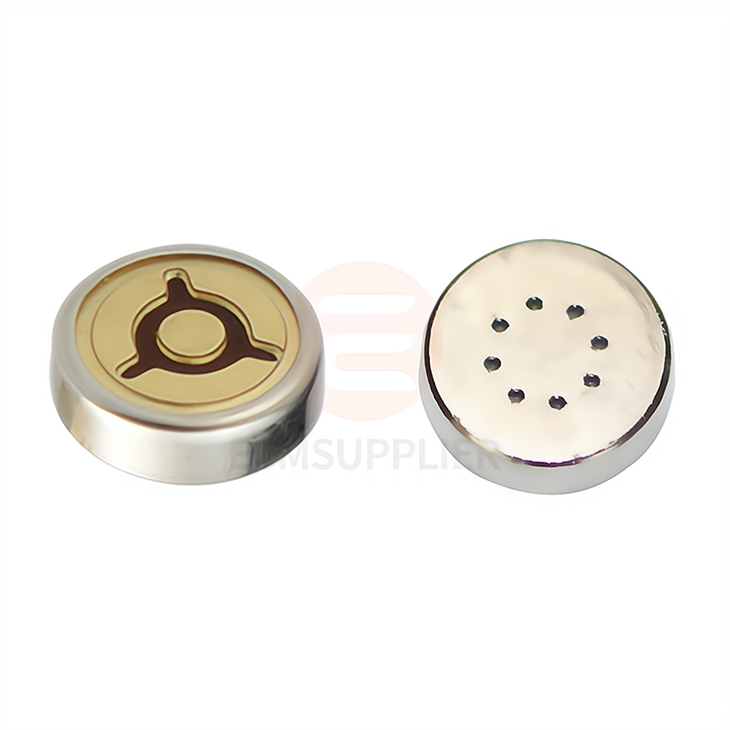
For an omnidirectional option, check out our 3013 Patch Microphone Core Omnidirectional. It's a great choice for applications that require all - around sound capture.
Signal - to - Noise Ratio (SNR)
The SNR is a measure of the quality of the microphone's output. It compares the level of the desired signal (the sound you want to record) to the level of background noise. A higher SNR means less background noise and a cleaner audio signal. If you're making a high - end audio device, a microphone with a high SNR is a must.
Size and Package
The size of the SMD microphone matters, especially when you're working on small devices. You need to make sure the microphone fits into the available space on the PCB. Different microphones come in various packages, and you'll need to choose one that's compatible with your manufacturing process.
Our Product Range
We've got a great selection of SMD microphones to meet different needs.
The 4013 Patch Microphone Head All Directional Patch Mic is another excellent option. It offers good all - directional sound capture and is suitable for a variety of applications.
If you're looking for something with a specific package and performance, our 4013 SMT Microphone Capsules are worth considering. They're designed to provide reliable performance in a compact size.
Environmental Considerations
You also need to think about the environment where the device will be used. If it's going to be in a humid or dusty place, you'll need a microphone that's resistant to these conditions. Some microphones come with special coatings or enclosures to protect them from moisture and dust.
Cost - Benefit Analysis
Last but not least, cost is always a factor. You need to balance the performance you need with the budget you have. Sometimes, a more expensive microphone might offer better features, but it might not be necessary for your specific application. Do your research and figure out what features are essential and which ones you can do without to get the best value for your money.
Conclusion
Choosing the right SMD microphone doesn't have to be a headache. By considering factors like sensitivity, frequency response, directionality, SNR, size, environmental conditions, and cost, you can make an informed decision. And if you're still not sure, don't hesitate to reach out to us. We're here to help you find the perfect microphone for your project.
If you're interested in purchasing SMD microphones for your business, we'd love to have a chat with you. We can discuss your specific requirements and find the best solutions for you. So, let's start a conversation and get your project on the right track!
References
- Microphone Basics, Audio Engineering Society
- Guide to Choosing Microphones for Electronic Devices, Electronics Today Magazine