
As an analog microphone supplier, I often encounter questions from customers about the compatibility of analog microphones with mixers. This is a crucial topic, especially for audio enthusiasts, professionals in the music and broadcasting industries, and anyone who wants to set up a high - quality audio system. In this blog, I'll delve into whether an analog microphone can be used with a mixer, the technical aspects involved, and the benefits and challenges you might face.
Understanding Analog Microphones and Mixers
Before we explore their compatibility, let's briefly understand what analog microphones and mixers are.
An analog microphone is a device that converts sound waves into an analog electrical signal. These microphones come in various types, such as dynamic microphones, condenser microphones, and ribbon microphones. Each type has its own unique characteristics, like frequency response, sensitivity, and directionality. For example, dynamic microphones are robust and can handle high sound pressure levels, making them suitable for live performances. Condenser microphones, on the other hand, are more sensitive and offer a wider frequency response, ideal for studio recording.
A mixer, also known as an audio mixer or mixing console, is a device that combines multiple audio signals from different sources. It allows you to adjust the volume, tone, and other audio parameters of each input signal, and then output a single, balanced audio signal. Mixers can be used in a variety of settings, from small home studios to large concert venues.
Can an Analog Microphone be Used with a Mixer?
The short answer is yes, an analog microphone can absolutely be used with a mixer. In fact, this is a very common setup in the audio world. Most mixers are designed to accept analog microphone inputs. They usually have XLR or 1/4 - inch jacks, which are standard connectors for analog microphones.
When you connect an analog microphone to a mixer, the microphone sends its analog electrical signal to the mixer. The mixer then amplifies the weak signal from the microphone (this process is called pre - amplification), and allows you to control the volume, add effects, and adjust other audio parameters.
Technical Considerations
However, there are some technical considerations when using an analog microphone with a mixer.
Impedance Matching
Impedance is a measure of the opposition to the flow of an alternating current in an electrical circuit. For optimal performance, the impedance of the microphone and the input impedance of the mixer should be properly matched. If the impedance is not matched correctly, it can lead to signal loss, distortion, or a decrease in the overall audio quality.
Most modern mixers are designed to be compatible with a wide range of microphone impedances. But it's still a good idea to check the specifications of both the microphone and the mixer to ensure a proper match.
Phantom Power
Some condenser microphones require phantom power to operate. Phantom power is a method of providing electrical power to a microphone through the same cable that carries the audio signal. Many mixers have built - in phantom power supplies, which can be switched on or off as needed.
If you're using a condenser microphone that requires phantom power, make sure your mixer has this feature and that you enable it correctly. Failure to provide phantom power to a condenser microphone will result in no audio output.
Benefits of Using an Analog Microphone with a Mixer
There are several benefits to using an analog microphone with a mixer.
Flexibility
A mixer allows you to combine multiple analog microphones and other audio sources, such as instruments or playback devices. This gives you the flexibility to create complex audio mixes. For example, in a live band performance, you can use a mixer to combine the vocals from the singer's microphone, the sound from the guitars, bass, and drums, and other effects.
Audio Control
With a mixer, you have precise control over the audio parameters of each input signal. You can adjust the volume, balance, tone, and add effects such as reverb or delay. This allows you to fine - tune the audio to achieve the desired sound quality.
Signal Amplification
As mentioned earlier, mixers have pre - amplifiers that can boost the weak signal from the microphone. This is especially important for dynamic microphones, which typically have a lower output level compared to condenser microphones.
Challenges and Solutions
While using an analog microphone with a mixer has many benefits, there are also some challenges that you might encounter.
Noise and Interference
Analog signals are more susceptible to noise and interference compared to digital signals. This can be caused by factors such as electromagnetic interference, poor cable quality, or a faulty mixer.
To reduce noise and interference, use high - quality cables, keep the cables away from sources of electromagnetic interference (such as power cables or fluorescent lights), and make sure your mixer is properly grounded.
Signal Degradation
Over long cable runs, the analog signal from the microphone can degrade, resulting in a loss of audio quality. To minimize signal degradation, use shorter cables or consider using signal boosters or pre - amplifiers along the cable run.
Our Analog Microphone Products
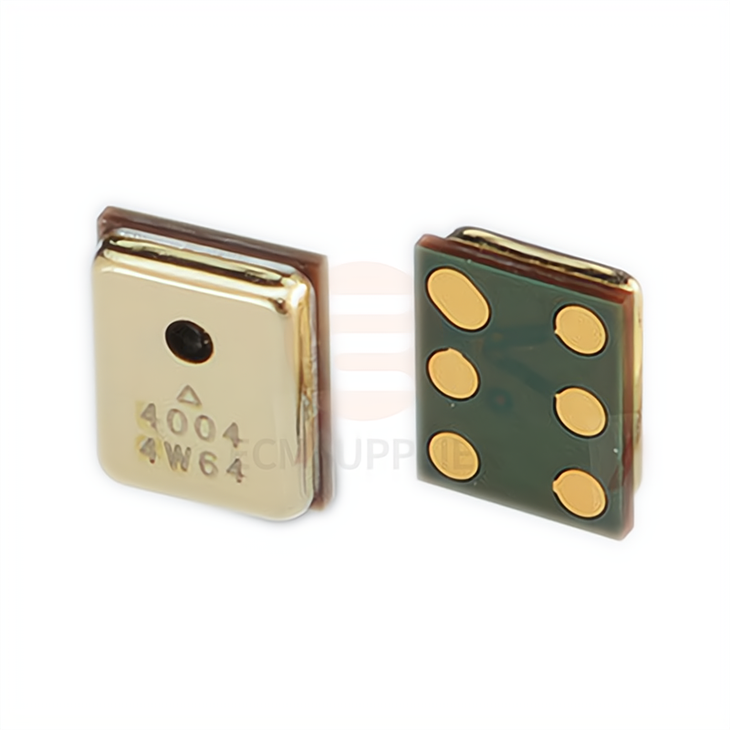
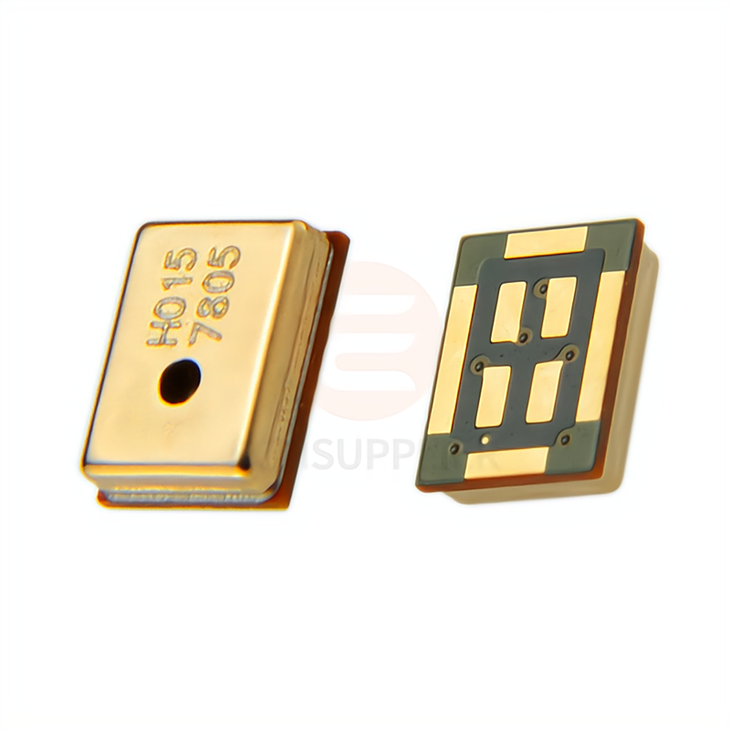
At our company, we offer a range of high - quality analog microphones, such as the 4030 Analog Silicon Microphone and the 4737 Analog Silicon Microphone. These microphones are designed to provide excellent audio performance and are compatible with most mixers on the market.
The 4030 Analog Silicon Microphone features a high - sensitivity design, making it suitable for applications where a clear and accurate audio capture is required. The 4737 Analog Silicon Microphone, on the other hand, offers a wider frequency response and is more resistant to environmental noise.
Conclusion
In conclusion, an analog microphone can be effectively used with a mixer, offering a great deal of flexibility and control in audio production. While there are some technical considerations and challenges, with proper knowledge and the right equipment, you can achieve high - quality audio results.
If you're interested in purchasing analog microphones for use with your mixer, or if you have any questions about our products, we encourage you to contact us for a detailed discussion. We're here to help you find the best solutions for your audio needs.
References
- "Audio Engineering Handbook" by Glen Ballou
- Manufacturer's specifications of analog microphones and mixers.