
When it comes to recording the rich, expressive tones of a saxophone, the choice of microphone capsule is crucial. As a supplier of 2025 dynamic microphone capsules, I often receive inquiries about whether our products are suitable for saxophone recording. In this blog post, I will delve into the technical aspects of 2025 dynamic microphone capsules and analyze their potential for saxophone recording.
Understanding 2025 Dynamic Microphone Capsules
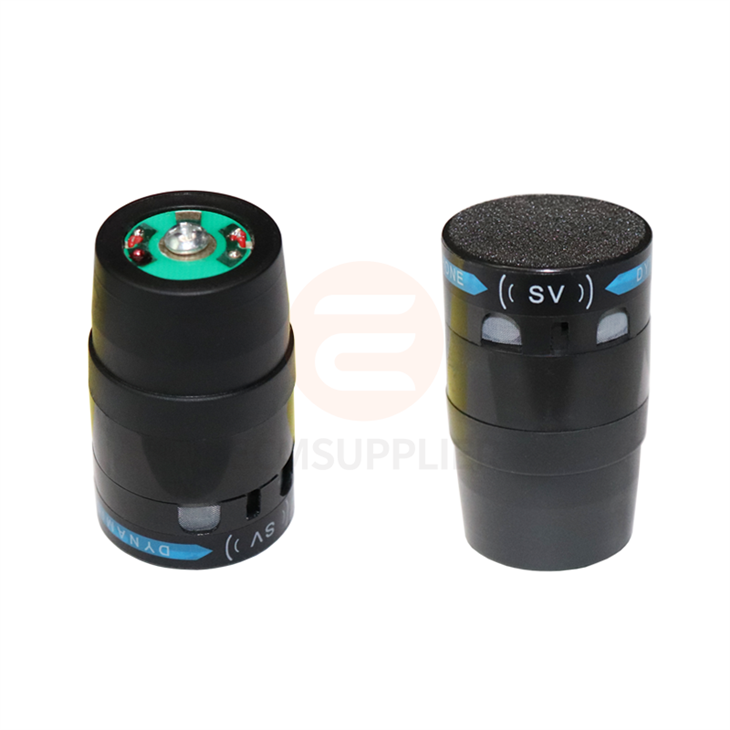
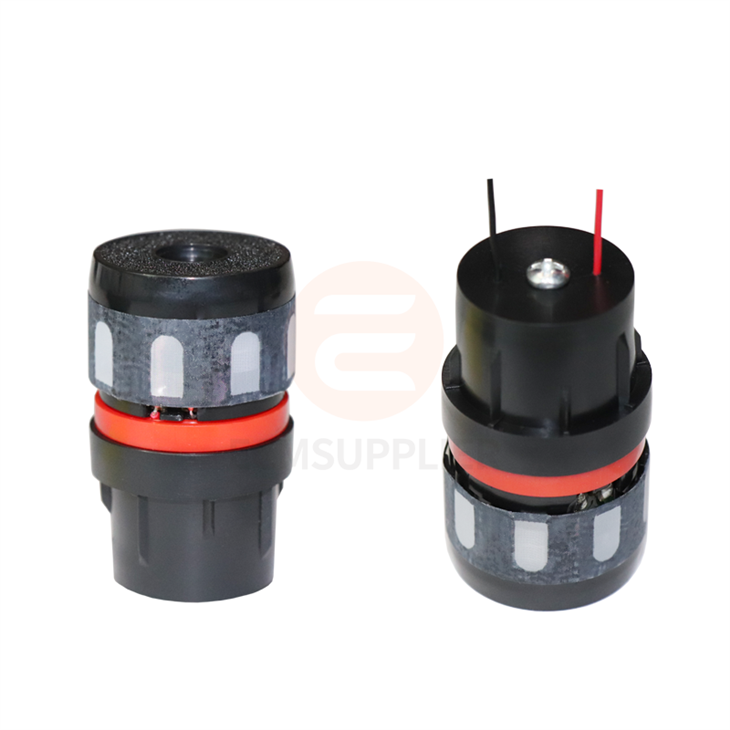
Before we discuss the suitability of 2025 dynamic microphone capsules for saxophone recording, let's first understand what they are. A Dynamic Microphone Core is the heart of a dynamic microphone. It converts sound waves into electrical signals through electromagnetic induction. The "2025" in the name typically refers to specific technical specifications or a model number, which might include details such as size, frequency response, and sensitivity.
Dynamic microphone capsules are known for their durability, reliability, and ability to handle high sound pressure levels. They are commonly used in live sound applications, broadcast, and various recording scenarios. The High Quality Dynamic Microphone Core offers enhanced performance characteristics, which can be particularly beneficial for professional recording.
Characteristics of Saxophone Sound
The saxophone is a unique instrument with a wide range of tones and timbres. It can produce soft, mellow sounds in the lower registers and bright, piercing tones in the higher registers. The sound of a saxophone is rich in harmonics, which gives it its characteristic warmth and depth. When recording a saxophone, it is important to capture the full spectrum of its sound, from the fundamental frequencies to the high - frequency overtones.
The frequency range of a saxophone typically spans from around 100 Hz to 10 kHz, although the exact range can vary depending on the type of saxophone (e.g., soprano, alto, tenor, or baritone) and the playing style. The mid - frequencies (around 500 Hz to 2 kHz) are particularly important for capturing the body and presence of the saxophone sound, while the high frequencies add brightness and clarity.
Advantages of Using 2025 Dynamic Microphone Capsules for Saxophone Recording
1. Handling High Sound Pressure Levels
Saxophone players can produce relatively high sound pressure levels, especially when playing loudly or using techniques such as overblowing. 2025 dynamic microphone capsules are designed to handle high SPLs without distortion. This means that they can accurately capture the full range of the saxophone's volume, from soft passages to powerful solos.
2. Durability and Reliability
In a recording environment, whether in a studio or on - location, equipment needs to be durable and reliable. Dynamic microphone capsules are robust and less prone to damage compared to some other types of microphone capsules, such as condenser capsules. This makes them a practical choice for saxophone recording, where the microphone may be subject to movement or accidental knocks.
3. Good Mid - Frequency Response
As mentioned earlier, the mid - frequencies are crucial for capturing the body and presence of the saxophone sound. 2025 dynamic microphone capsules often have a flat or slightly boosted mid - frequency response, which can help to bring out the natural warmth and character of the saxophone. This can result in a more engaging and realistic recording.
4. Cost - Effectiveness
Compared to some high - end condenser microphones, 2025 dynamic microphone capsules are generally more cost - effective. This makes them an attractive option for budget - conscious recording engineers or musicians who want to achieve good - quality saxophone recordings without breaking the bank.
Potential Limitations
1. Limited High - Frequency Response
One potential limitation of using dynamic microphone capsules for saxophone recording is their relatively limited high - frequency response compared to condenser microphones. While the high frequencies of a saxophone are important for adding brightness and clarity, dynamic microphones may not be able to capture the full range of these frequencies as effectively. However, some 2025 dynamic microphone capsules are designed with extended high - frequency response to mitigate this issue.
2. Directionality
The directionality of a microphone can also affect the quality of saxophone recording. Some 2025 dynamic microphone capsules have a cardioid or super - cardioid pattern, which means they are more sensitive to sound coming from the front and less sensitive to sound from the sides and rear. This can be an advantage in a noisy environment, but it may also require careful positioning of the microphone to ensure that the full sound of the saxophone is captured.
Optimizing the Recording Setup
To get the best results when using 2025 dynamic microphone capsules for saxophone recording, it is important to optimize the recording setup. Here are some tips:
1. Microphone Placement
Experiment with different microphone placements to find the best sound. A common placement is to position the microphone about 6 - 12 inches away from the bell of the saxophone, at a slight angle. This can help to capture the full spectrum of the saxophone sound, including the direct sound from the bell and the radiated sound from the body of the instrument.
2. Use of Pre - amplifiers
A high - quality pre - amplifier can help to boost the signal from the microphone capsule and improve the overall sound quality. Look for a pre - amplifier with low noise and a clean gain structure.
3. Room Acoustics
The acoustics of the recording room can have a significant impact on the sound of the saxophone recording. Try to record in a room with good sound absorption and diffusion to minimize reflections and echoes.
Conclusion
In conclusion, 2025 dynamic microphone capsules can be a viable option for saxophone recording. They offer several advantages, including the ability to handle high sound pressure levels, durability, good mid - frequency response, and cost - effectiveness. While they may have some limitations, such as limited high - frequency response and specific directionality requirements, these can be mitigated through proper recording techniques and equipment selection.
If you are interested in using our 2025 dynamic microphone capsules for saxophone recording or other applications, we invite you to contact us for further information and to discuss your specific needs. Our team of experts is ready to assist you in finding the right solution for your recording projects.
References
- Dynamic Microphone Core
- High Quality Dynamic Microphone Core
- 30mm Dynamic Microphone Head
- Textbooks on audio engineering and microphone technology for general information on microphone characteristics and recording techniques.